
Tokenized Real Estate: How Blockchain Is Making Property Investing Accessible to Everyone


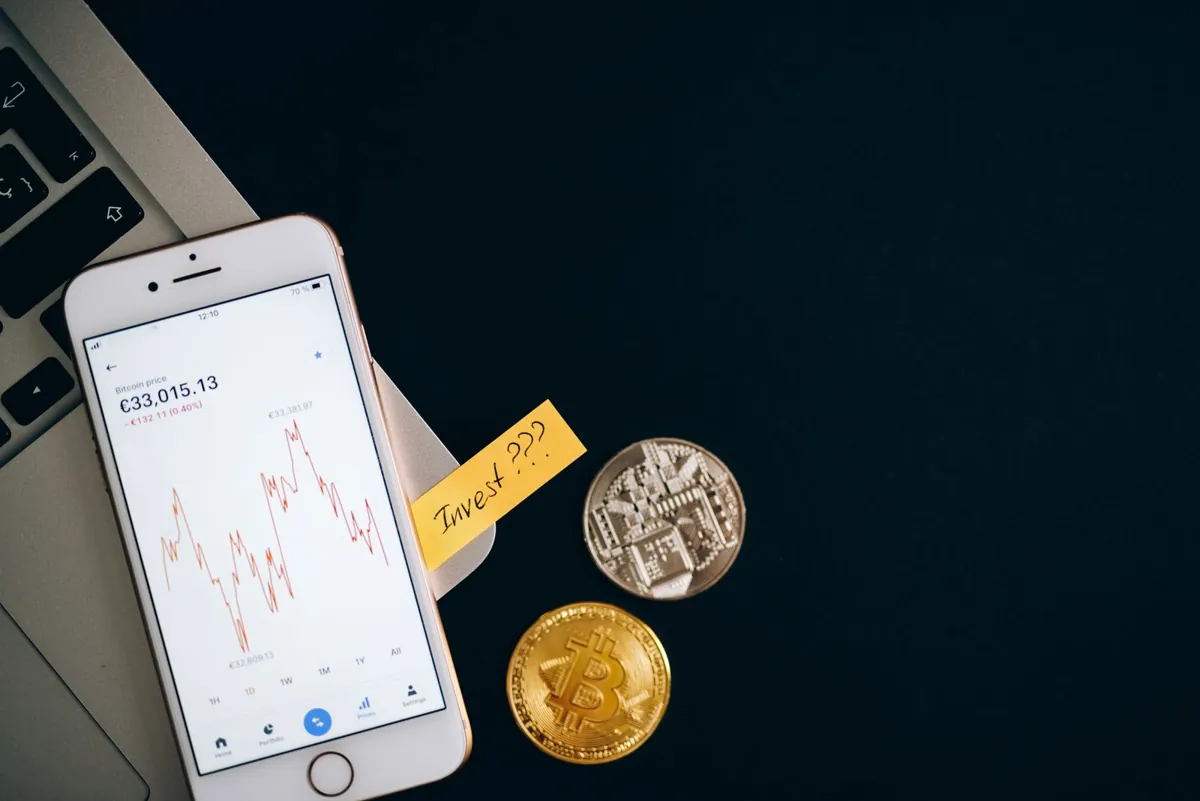
For most of history, owning a slice of a prime apartment block meant being rich enough to buy the whole thing or knowing the right people to get into a private fund. Tokenized real estate promises to blow that gate open: split a property into thousands of blockchain tokens and suddenly anyone can own $100 of a building and collect their share of the rent. It's a genuinely exciting idea — fractional ownership, potential liquidity for a famously illiquid asset, and access without a six-figure deposit — but it also sits at the messy intersection of property law, securities regulation and crypto risk, where the marketing often runs miles ahead of reality. In this guide I'll explain how tokenization actually works, the real advantages, and the serious caveats (regulation, platform risk, thin secondary markets) that the pitch decks skip. Weigh it against owning property the traditional way in real estate investing, and treat it as one more slice of a diversified portfolio. For neutral context, Investopedia and the SEC's investor.gov are worth consulting.
Traditional real estate investing requires substantial capital (typically $50,000-$500,000 minimum), involves complex legal processes, has high transaction costs, and locks your money for years. Tokenization eliminates all of these barriers. By representing property ownership as digital tokens on a blockchain, tokenized real estate offers fractional ownership, instant liquidity, global access, and transparent pricing — fundamentally changing who can participate in what has historically been the world's largest asset class.
How Real Estate Tokenization Works
The tokenization process begins with a Special Purpose Vehicle (SPV) — a legal entity created specifically to hold the property. The SPV purchases the real estate asset, and ownership of the SPV is then divided into digital tokens on a blockchain. Each token represents a fractional ownership stake in the property. If a $10 million apartment building is divided into 200,000 tokens, each token represents $50 worth of ownership and entitles the holder to their proportional share of rental income and any appreciation in the property's value.
These tokens are typically issued on established blockchains like Ethereum, Polygon, or Avalanche using security token standards that comply with securities regulations. Smart contracts automatically handle the distribution of rental income, governance votes, and ownership transfers. The entire process is transparent and auditable, with the blockchain providing an immutable record of all transactions and ownership changes.
Benefits of Tokenized Real Estate
- Fractional Ownership — Invest as little as $50-$100 in premium properties that would normally require hundreds of thousands. Build a diversified real estate portfolio across multiple properties, cities, and countries.
- Liquidity — Unlike traditional real estate that takes months to sell, tokens can be traded on secondary markets within minutes. This transforms real estate from an illiquid asset to a liquid one.
- Global Access — Invest in real estate anywhere in the world without dealing with local legal systems, language barriers, or property management. The platform handles everything.
- Passive Income — Receive rental income distributions automatically through smart contracts, typically monthly or quarterly. Yields commonly range from 4-8% annually.
- Transparency — All ownership records, financial reports, and transaction history are on-chain and publicly verifiable. No hidden fees or opaque fund structures.
- Lower Costs — By eliminating traditional intermediaries like brokers, lawyers, and escrow services, tokenization reduces transaction costs from 5-10% to typically 1-3%.
Types of Tokenized Properties
The tokenized real estate market offers exposure to diverse property types. Commercial real estate — office buildings, shopping centers, and warehouses — typically offers stable rental yields of 5-7%. Residential properties provide both rental income and appreciation potential. Hospitality properties like hotels and vacation rentals can offer higher yields (6-10%) but with more variability. Industrial and logistics properties have surged in demand due to e-commerce growth.
Risks to Consider
Regulatory risk remains the biggest concern. While many jurisdictions have developed frameworks for security tokens, regulations vary significantly by country and are still evolving. Some tokenization platforms may not be fully compliant, exposing investors to legal risks.
Liquidity risk is real despite improvements. Secondary markets for real estate tokens are still developing, and trading volumes can be thin for less popular properties. You may not always be able to sell at your desired price or timing.
Smart contract risk exists with any blockchain-based investment. Bugs in smart contracts could potentially freeze funds or misallocate distributions. Only invest through platforms that have been independently audited by reputable blockchain security firms.
How to Get Started
Beginning with tokenized real estate is straightforward. Choose a regulated platform that operates in your jurisdiction. Complete the KYC (Know Your Customer) verification process. Browse available properties, review financial projections and due diligence reports, and invest as little as $50-$100 in properties that align with your goals. Most platforms handle property management, tenant relations, and income distribution automatically.
Start with diversification in mind. Rather than putting all your capital into one property, spread investments across different property types, geographic locations, and platforms. This protects you from concentration risk and provides a smoother income stream from multiple uncorrelated properties.
Frequently Asked Questions
Calculate Your Passive Income
See how tokenized real estate could generate passive income in your portfolio with our calculator.
Open Passive Income Calculator →
Passionate about finance and investing, with more than 6 years of hands-on experience in the crypto world. He shares analysis and financial education on his YouTube channel, Cripto Adicto.
Watch on YouTube →