
Bitcoin's Volatile 2026: Why BTC Fell to $60K and What Wall Street Expects Next


July 13, 2026 · 7 min read · By Cripto Adicto
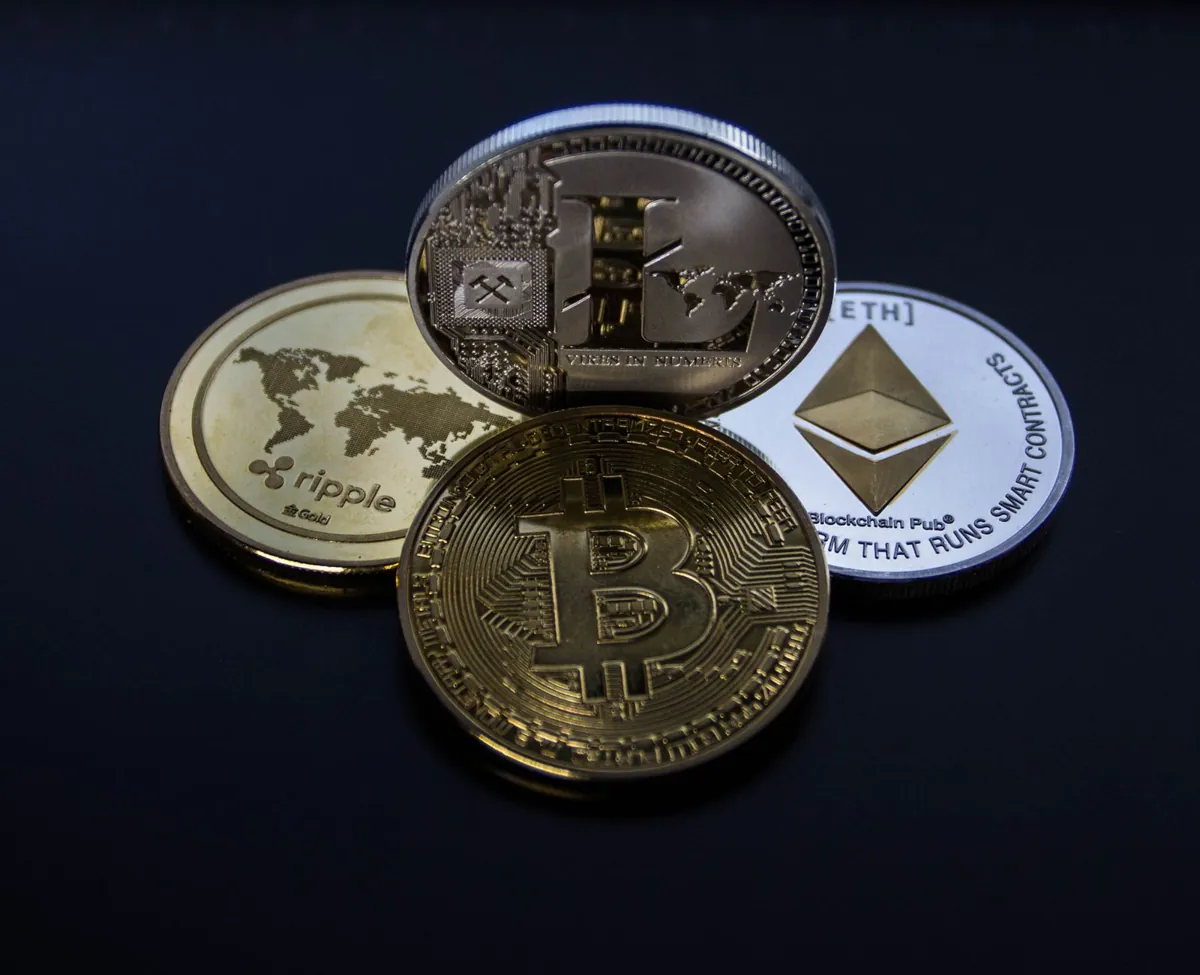
If you owned Bitcoin in the first half of 2026, you earned every grey hair. The world's largest cryptocurrency opened the year above $93,000, then slid relentlessly to a 21-month low near $60,000 by late June, before clawing its way back to around $75,000 — still roughly 40% below its all-time high of $126,000. It has been a brutal reminder that Bitcoin's long-term promise comes packaged with gut-wrenching short-term swings. So what actually happened, why did it fall, and where do the big banks think it goes from here? Let's separate the signal from the noise. (Prices reflect mid-July 2026 and move constantly; check CoinGecko for live figures.)
A Year of Whiplash
The numbers tell the story of a market that lost its nerve and then partly found it again. From above $93,000 in January, Bitcoin ground lower for months, hitting a fresh 21-month low around $60,000 in the final week of June. The bounce back toward $75,000 has restored some confidence, but the asset remains far from the $126,000 peak that had investors dreaming of a straight line to the moon. For newcomers, Investopedia offers a solid primer on what Bitcoin is and how it works.
Why Bitcoin Fell
There was no single villain. The biggest weight was macro: with the Federal Reserve holding rates high and signalling higher for longer, risk assets across the board came under pressure, and Bitcoin — still one of the most speculative assets on the planet — felt it hardest. Add profit-taking after 2025's rally, thinner summer liquidity, and a few high-profile liquidations, and you get the recipe for a sharp, sentiment-driven drawdown.
Why It Bounced
The recovery from $60,000 owes a lot to structural demand that simply did not exist in previous cycles. Spot Bitcoin ETFs continue to pull in institutional money, corporate treasuries keep accumulating, and every deep dip now attracts long-term buyers who treat volatility as a discount rather than a warning. That maturing base of demand is why many analysts argue the floor is higher than it used to be, even if the ceiling remains anyone's guess.
What Wall Street Forecasts
The 2026 price targets from major institutions are strikingly bullish — and strikingly spread out. Standard Chartered and Bernstein have pointed to $150,000, Citi has floated around $143,000 on the back of ETF inflows and clearer regulation, and JPMorgan has set one of the highest bars near $170,000, citing corporate accumulation. More cautiously, University of Sussex finance professor Carol Alexander expects Bitcoin to stay in a wide $75,000–$150,000 band with a "centre of gravity" around $110,000. The common thread: big upside potential, but only for those who can stomach the ride.
The Bull Case
The optimistic argument rests on three pillars: regulated ETF access that lets pensions and advisors allocate easily, a fixed supply that becomes scarcer with each halving, and growing acceptance of Bitcoin as "digital gold" — a hedge against currency debasement and, ironically, against exactly the sticky inflation the Fed is fighting. If even a small slice of global capital continues rotating in, the math on a fixed-supply asset gets interesting fast.
The Bear Case
The sceptics are not wrong to be wary. Bitcoin remains extraordinarily volatile, deeply sensitive to interest rates and liquidity, and vulnerable to regulatory surprises. Worst-case scenarios from cautious analysts put support as low as $45,000–$65,000 if macro conditions deteriorate. Bitcoin has survived several 70%-plus crashes in its history — but "it recovered last time" is a hope, not a guarantee, and position sizing should reflect that.
How to Handle the Volatility
The practical takeaway is not "buy" or "sell" — it's "size it sensibly and automate." For most people, the sanest way to own an asset this volatile is dollar-cost averaging: buying a fixed amount on a schedule so you accumulate more when prices are low and less when they're high, without trying to call the bottom. Model different scenarios with our Bitcoin DCA calculator before committing real money.
Keep Crypto a Slice, Not the Whole Pie
Even the most bullish advisors rarely suggest more than a single-digit-to-low-double-digit percentage of a portfolio in crypto. Bitcoin should sit alongside a diversified core of equities and bonds — see our guide to a global ETF portfolio — not replace it. Check your gains and losses precisely with the crypto profit calculator, and remember that a position you can hold through a 40% drawdown is worth more than a bigger one you panic-sell.
Don't Forget the Taxman
Every sale, swap or spend of Bitcoin can be a taxable event, and a volatile year like 2026 creates plenty of both gains and losses to track. Harvesting losses during drawdowns can even reduce your tax bill. Estimate what you might owe with our crypto tax calculator, and keep clean records — your future self will thank you at filing time.
The Bottom Line
Bitcoin's 2026 has been a masterclass in why volatility is the price of admission, not a bug. The long-term thesis — scarce supply, growing institutional demand, a hedge against monetary debasement — is intact, and Wall Street's targets skew optimistic. But the path there will be anything but smooth. Decide your allocation in advance, automate your buying, keep it a sensible slice of a diversified plan, and treat every scary headline as a test of your strategy rather than a reason to abandon it.
Tame Bitcoin's Volatility
Model a disciplined dollar-cost-averaging plan and see how steady buying smooths out the swings.
Open the Bitcoin DCA Calculator →
Passionate about finance and investing, with more than 6 years of hands-on experience in the crypto world. He shares analysis and financial education on his YouTube channel, Cripto Adicto.
Watch on YouTube →